Giuseppe Palumbo archive
Images that speak to the heart. A heritage of great anthropological, historical and sociological value.
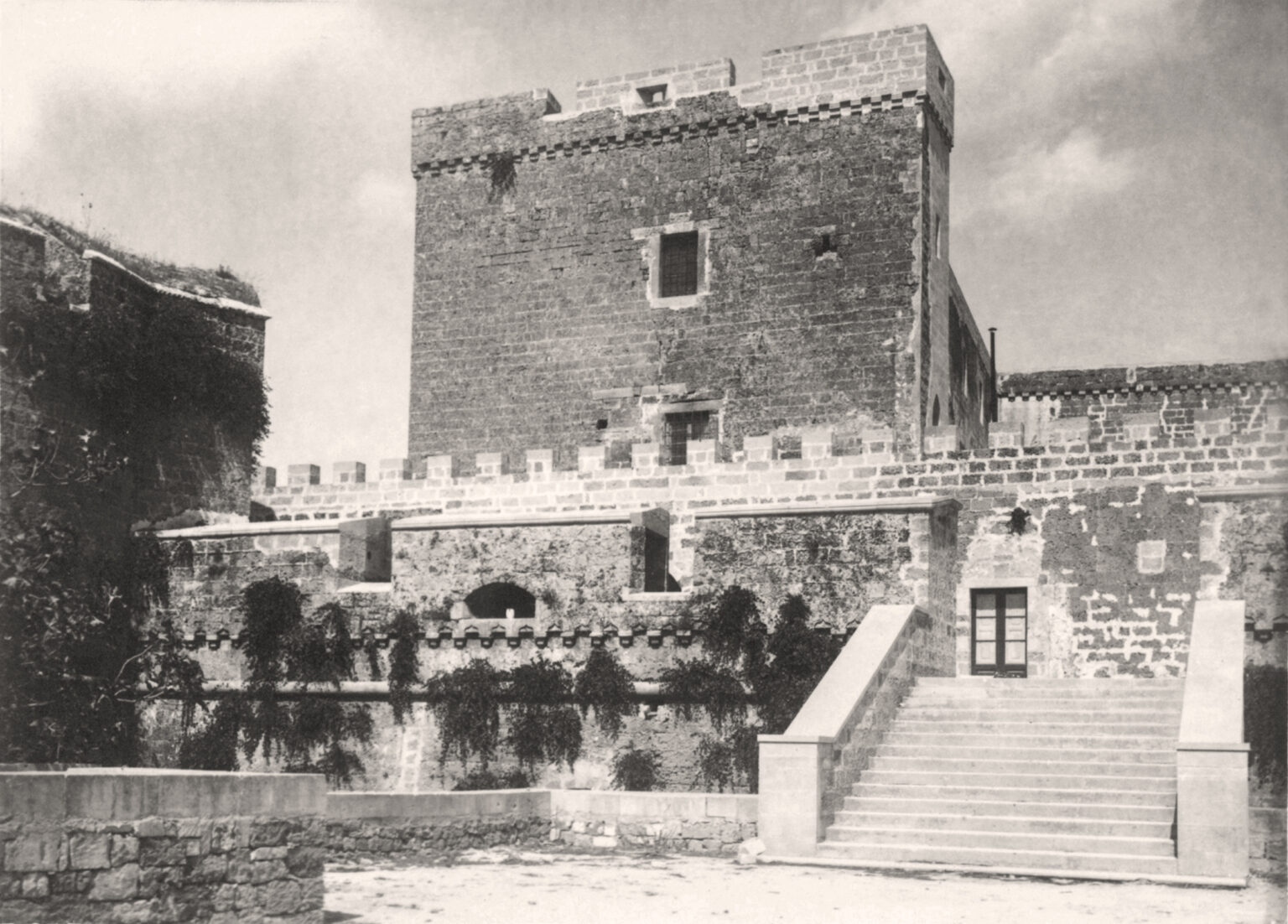
Giuseppe Palumbo’s image archive consists of over 1,700 photographs taken by him. Most of the original plates were donated to the Sigismondo Castromediano Museum; others are in the possession of the photographer’s daughter.
The significance of Giuseppe Palumbo’s archive lies not only in its high anthropological, historical and sociological value, but also in its artistic merit. Palumbo’s entire body of documentary work should be regarded as a single body of work, pursued with method and perseverance over time through the use and experimentation with the language of photography. Palumbo’s images therefore speak to the eye, through their aesthetic quality – to which he gave particular attention from a young age – to the intellect of those who wish to reflect upon and understand their own territory, but also to the heart, through the love with which he chronicled it for future generations.
Palumbo’s body of work as a whole invites a range of reflections. On the one hand, there is the opportunity to appreciate his work as a photographer of the local area, its inhabitants, its monuments, and its natural and artisanal products. On the other hand, one can attempt to rediscover, reproduce and interpret his diverse explorations in a contemporary light. To this end, his body of photographs can be seen not only as a starting point for possible reinterpretations, but also as the centre of a flow of narratives and various creative projects.
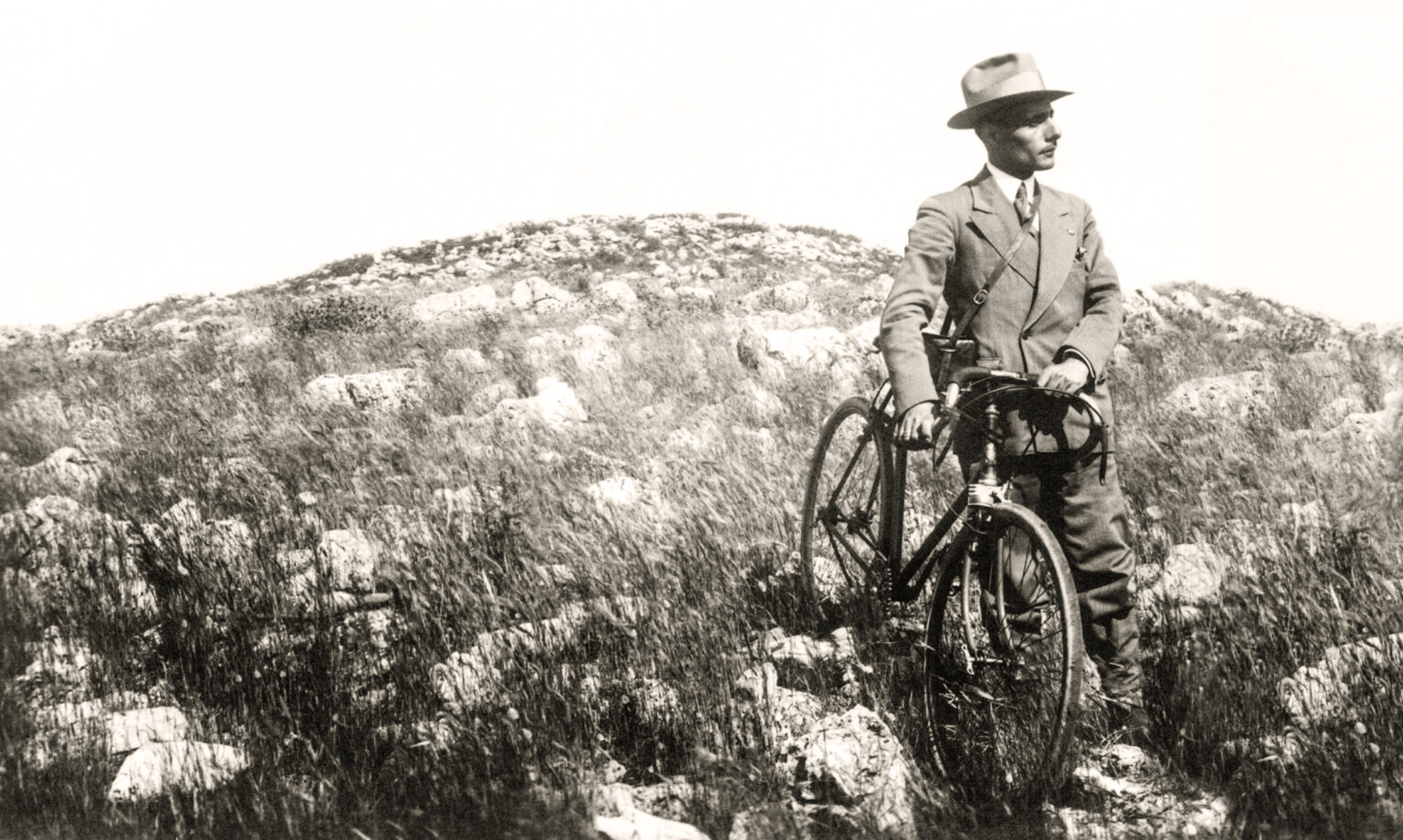
Giuseppe Palumbo
A photographer, scholar and lecturer, he has used his images to map the Salento, its people, landscapes, traditions and productive activities from the beginning of the last century right up to the 1950s
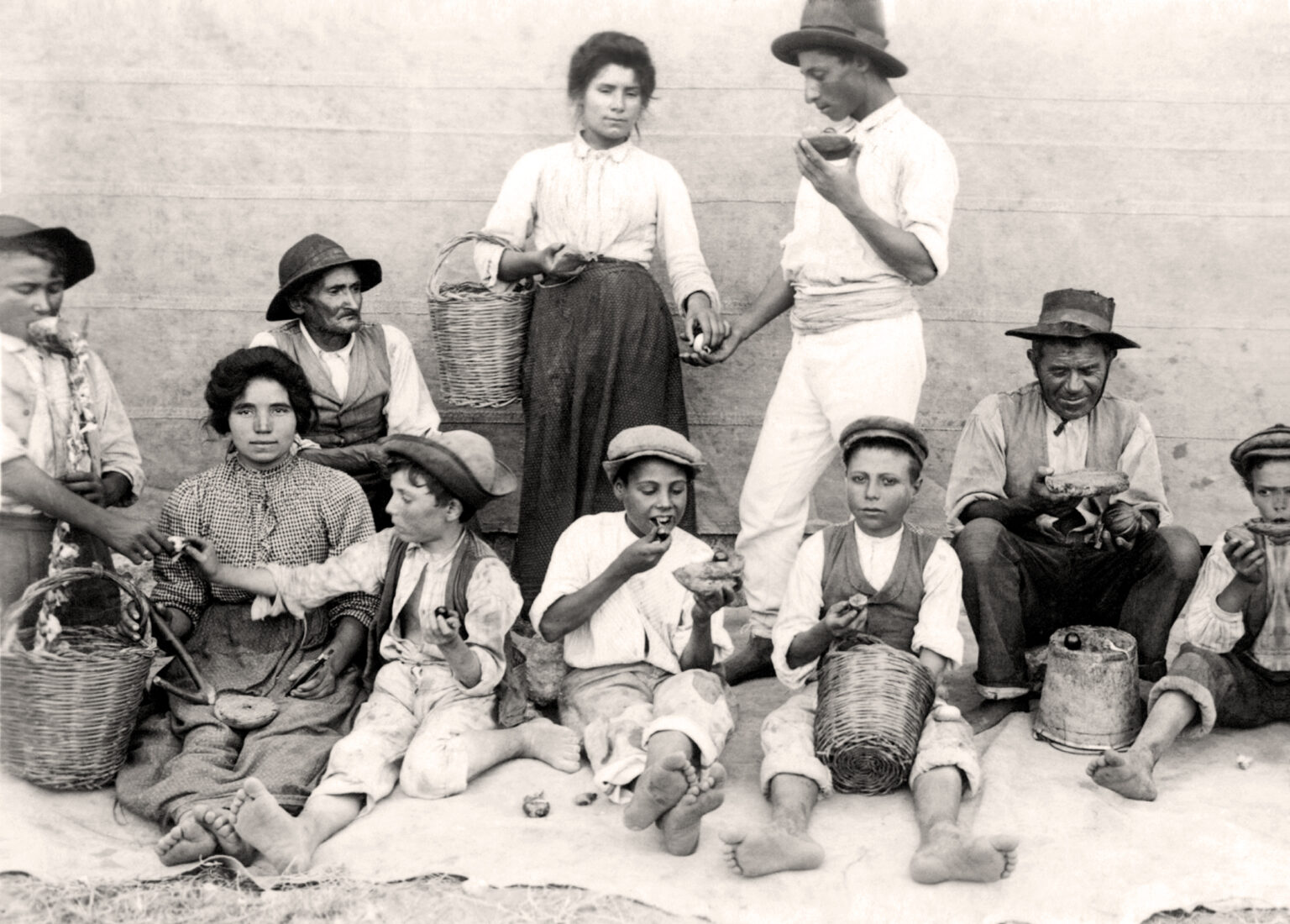
The photographer and scholar, born in Calimera and having lived mainly in Lecce, took up photography from a young age, with his earliest photographs dating back to 1907. It is thought that he learnt the basics and mastered the techniques of intaglio and woodcut printing by spending time with the photographers living in Lecce at that time – first Pietro and Augusto Barbieri, and later Lazzaretti. Whilst he may have taken the work of these artists as a point of reference, Palumbo always adopted a wholly personal approach to depicting and capturing the riches of the local area, drawing on the principles of narrative and ‘pictorialist’ exploration. His early interests centred on prehistoric and protohistoric monuments, as well as on peasant folk culture, with a particular focus on Grecìa Salentina, his native land.
The project