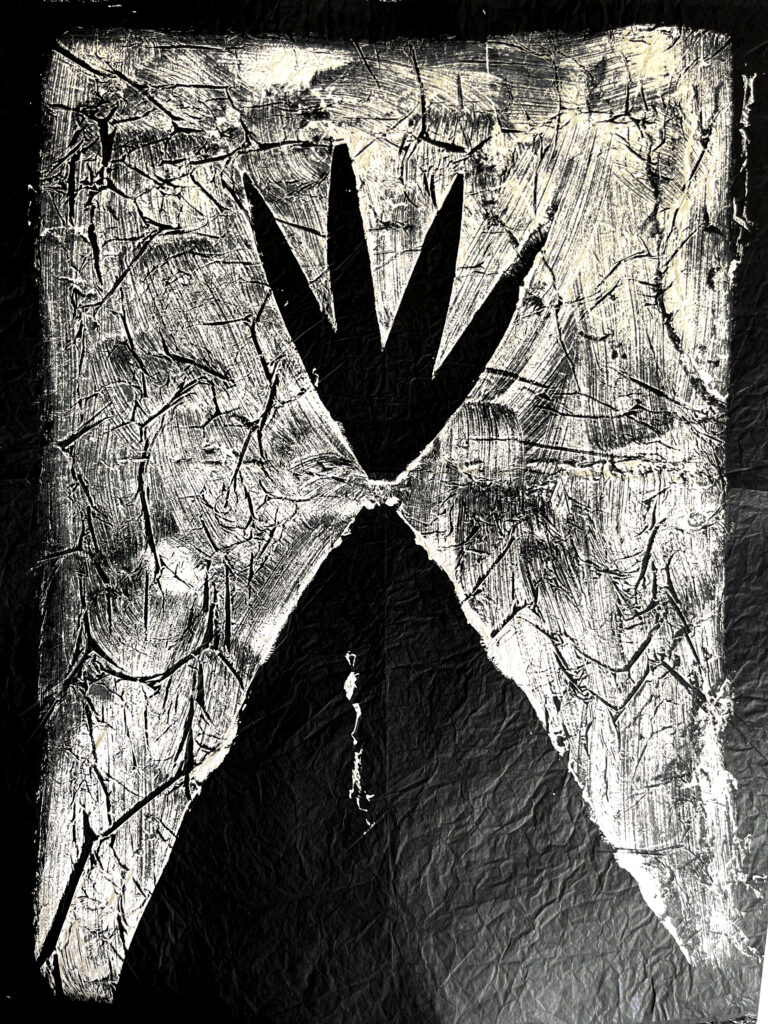
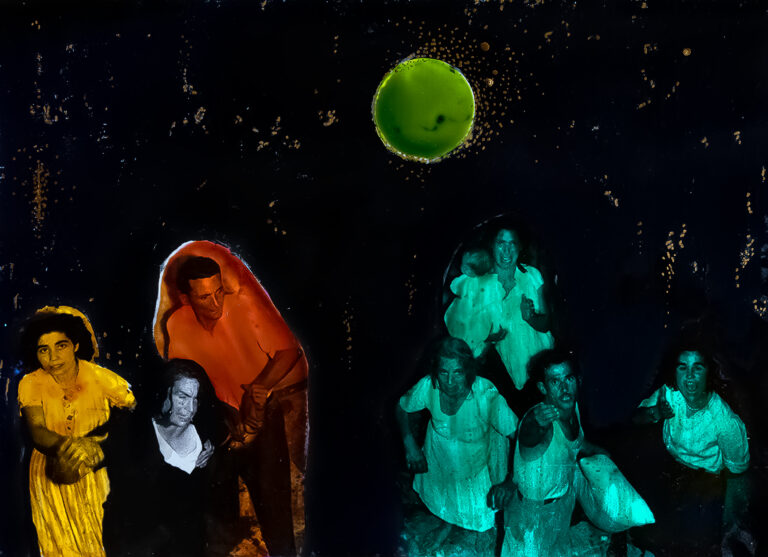
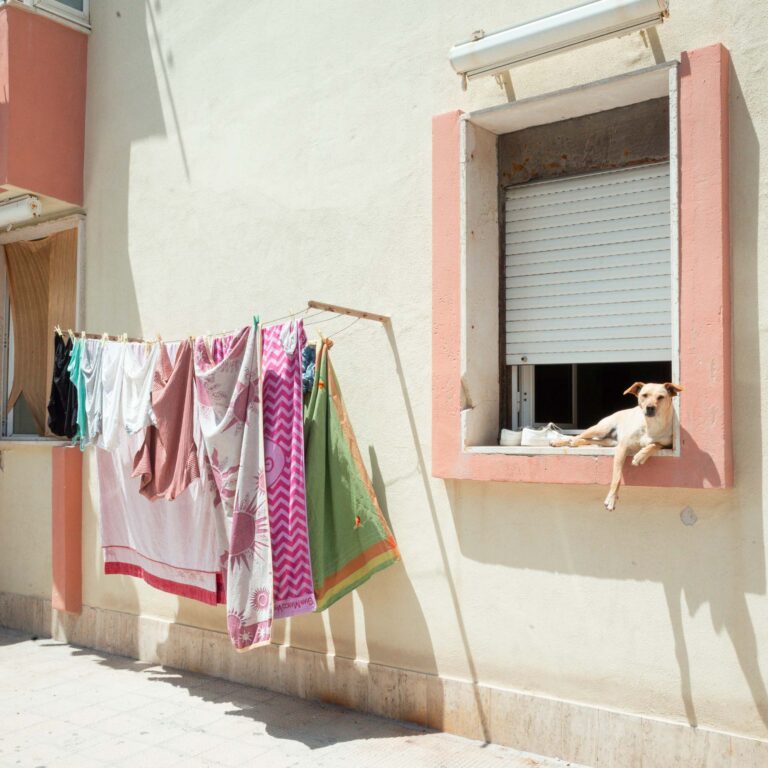
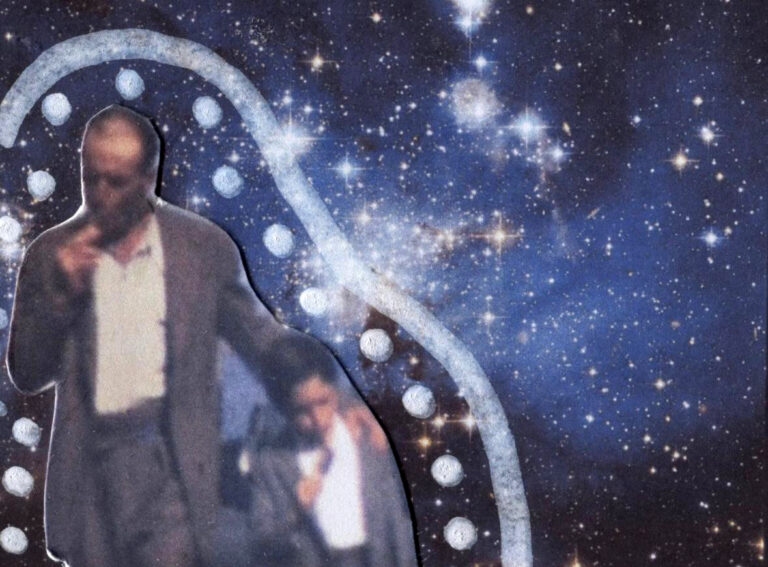
A story that has long remained on the fringes of public memory becomes the starting point for a project that weaves together photography, archives and landscape. In L’isola degli arrusi, Luana Rigolli retraces the story of the forty-five men arrested in Catania in 1939 and confined by the Fascist regime to the island of San Domino because of their homosexuality. Documents, letters, identification photographs and places that still exist are brought into relation with images of the present, composing a geography of memory made up of absences, survivals and silences. The research approach is situated in the space between document and landscape. On the one hand, what has been recorded, classified and preserved; on the other, what continues to exist in these places, often without obvious signs, entrusted to a fragile and intermittent memory. The contemporary images do not reconstruct the events nor illustrate the documents, but focus on the traces and forms through which the past continues to inhabit the present. Going beyond historical reconstruction, the story of the internees at San Domino still raises questions today about the processes by which a society defines belonging and exclusion, recognises certain identities and marginalises others. The photographs collected by Rigolli restore complexity to lives that were for a long time reduced to administrative categories, refocusing attention on the people, the relationships and the lives that those images continue to preserve.