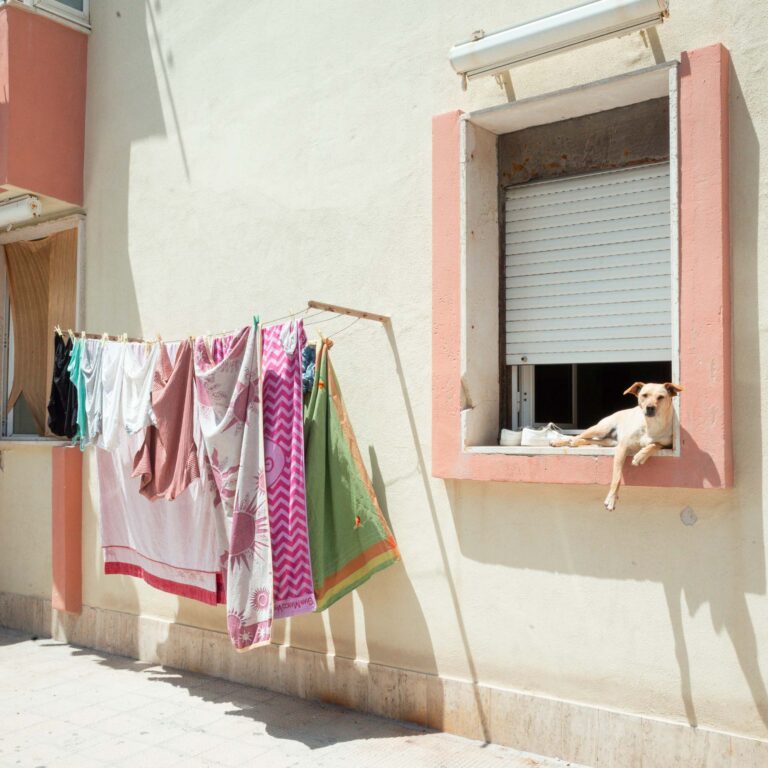
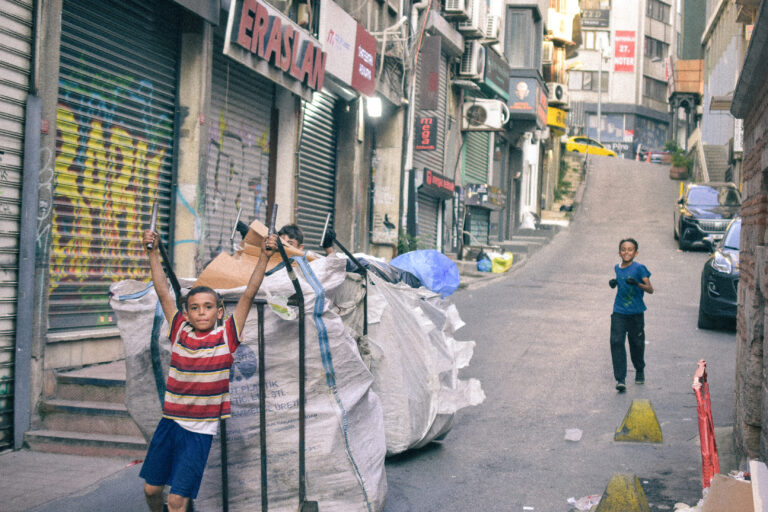
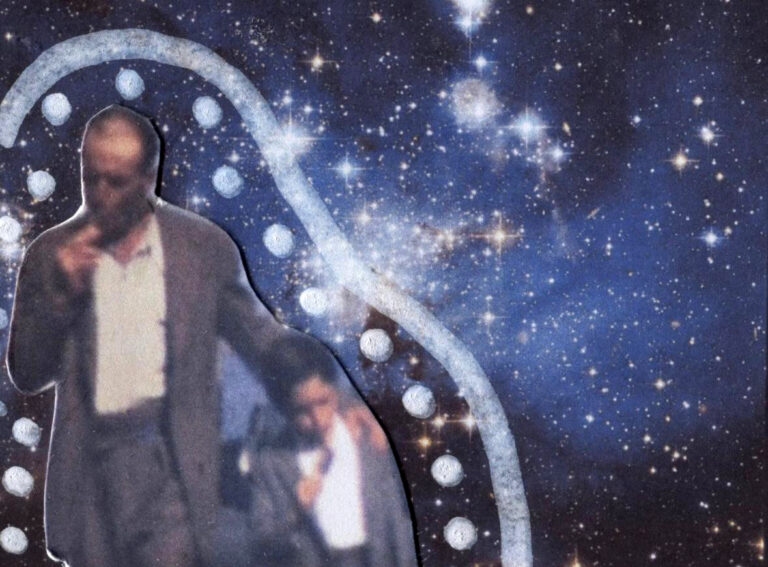
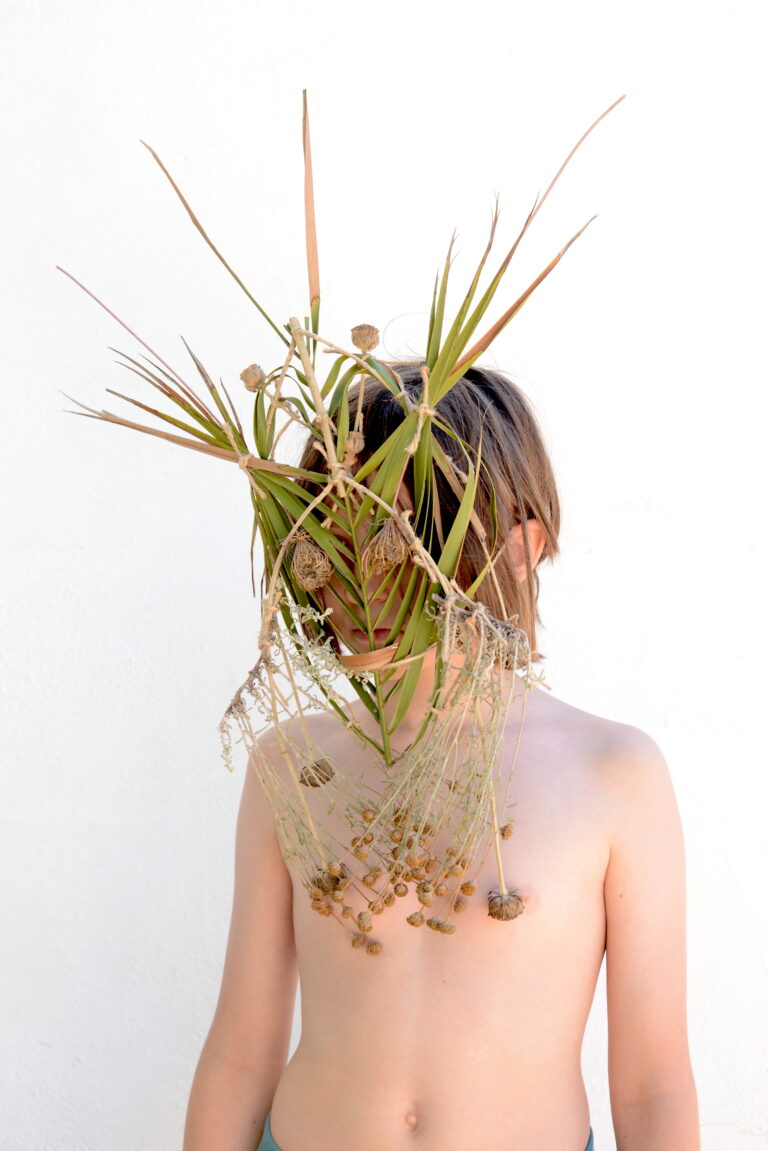
"DEI corpi" is the title of this exhibition, complemented by a verse by the poet Maria Grazia Calandrone: "I who thought I knew everything, yet knew nothing of this love". The body in the sacredness of its uniqueness, in an age that fails to recognise it, forcing it into an ever more suffocating standardisation.
“Today we experience our body as an accident rather than as a predicate inherent within us,” wrote Miguel Benasayag in *Against Nothingness*. “In this increasingly widespread view,” continues the Argentine-born philosopher and psychoanalyst, “my body could have been different, and I can correct the features I do not like. We never cease to understand things about the world in which we live, but this understanding is based on the denial of the body’s point of view. The prevailing opinion cannot deceive us. (But) the bodily perspective stands in radical opposition to the realm of opinion: not everything is the same, not everything is symmetrical, not everything is possible.”
Culturally, “it is, in a sense, a matter of becoming an individual once more. In my individuality, I can engage with the whole planet and gain an ever-clearer understanding of it. The path to emancipation today lies here: in reclaiming this fundamental experience, the contingent body”. “Accepting the body,” suggests Benasayag, “also means accepting that action is tiring, that reading a book requires time and effort. People never find themselves in the tragic situations they associate with commitment; they have given up long before, when they realised that knowing involves a certain amount of effort. We must accept the physical cost of doing things. If I find myself tired, I do nothing more.” To intervene, then, to put one’s own body on the line—this is the ethic of a different kind of commitment, one that is generative and alive, where the self can rediscover coherence, its poetic fulfilment, its expressive signature, its Divinity.